Contact info
Long-term value for all customers
Lorem ipsum dolor sit amet, consetetur sadi pscing elitr, sed diam nonumy eirmod tempor invidun omni sum.
Lorem ipsum dolor sit amet, consetetur sadi pscing elitr, sed diam nonumy eirmod tempor invidun omni sum.
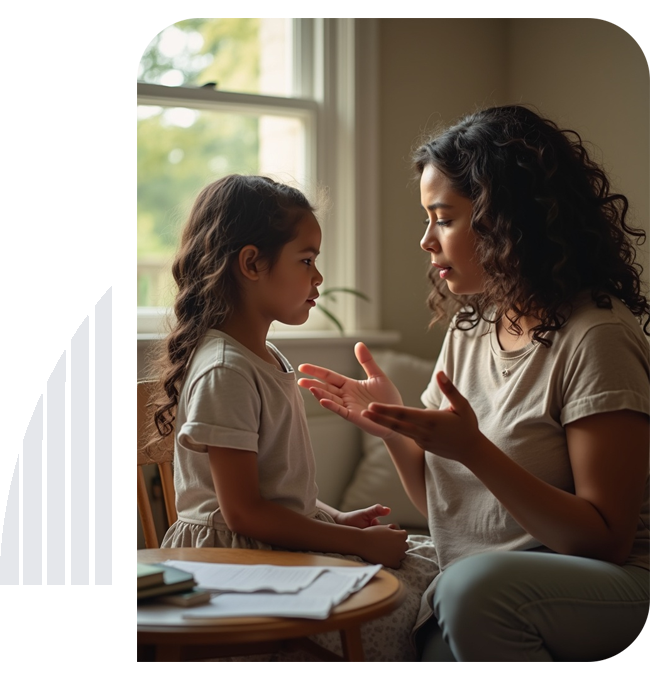
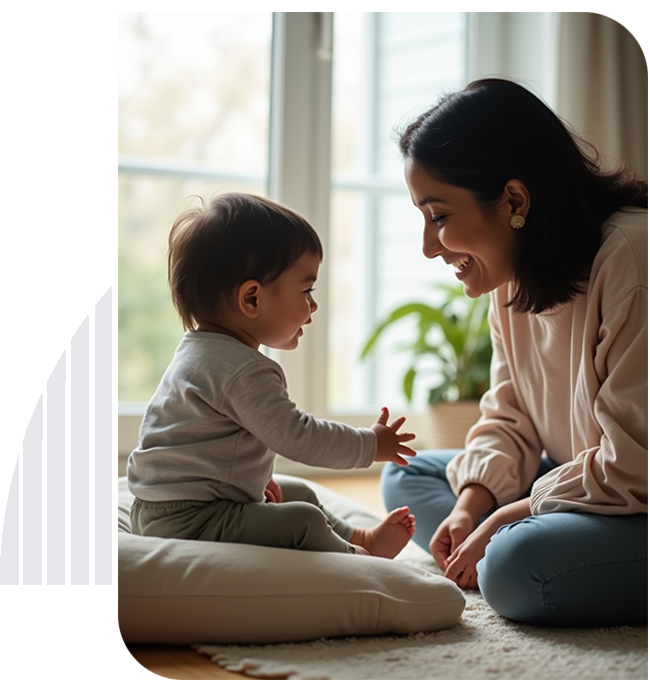
Every interaction matters more than you think. Not because of perfect parenting, but because ordinary moments wire neural pathways that last a lifetime.
Understanding how this works transforms how you show up – and what your kid becomes.
The First 1,000 Days
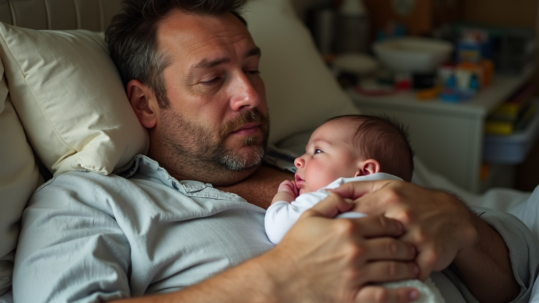
A child’s brain forms 1 million neural connections per second.
What happens now determines the architecture for life.
Neurofrog: Building strengths from day one.
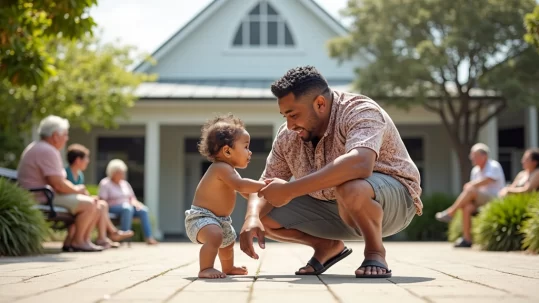
It’s Not One System.
It’s Three:
Neurobiological System
Brain structure and plasticity—the capacity for learning, regulation, and connection.
Family System
Relational responsiveness—the daily interactions that wire or rewire the brain.
Institutional System
Schools, communities, and policy—the infrastructure that supports families.

Resilience Is Built
Most programs wait for problems, then intervene. Neurofrog builds strengths from day one in the first 1,000 days, creating a compounding effect: children grow not only more resilient, but confident, self-directed learners for life.
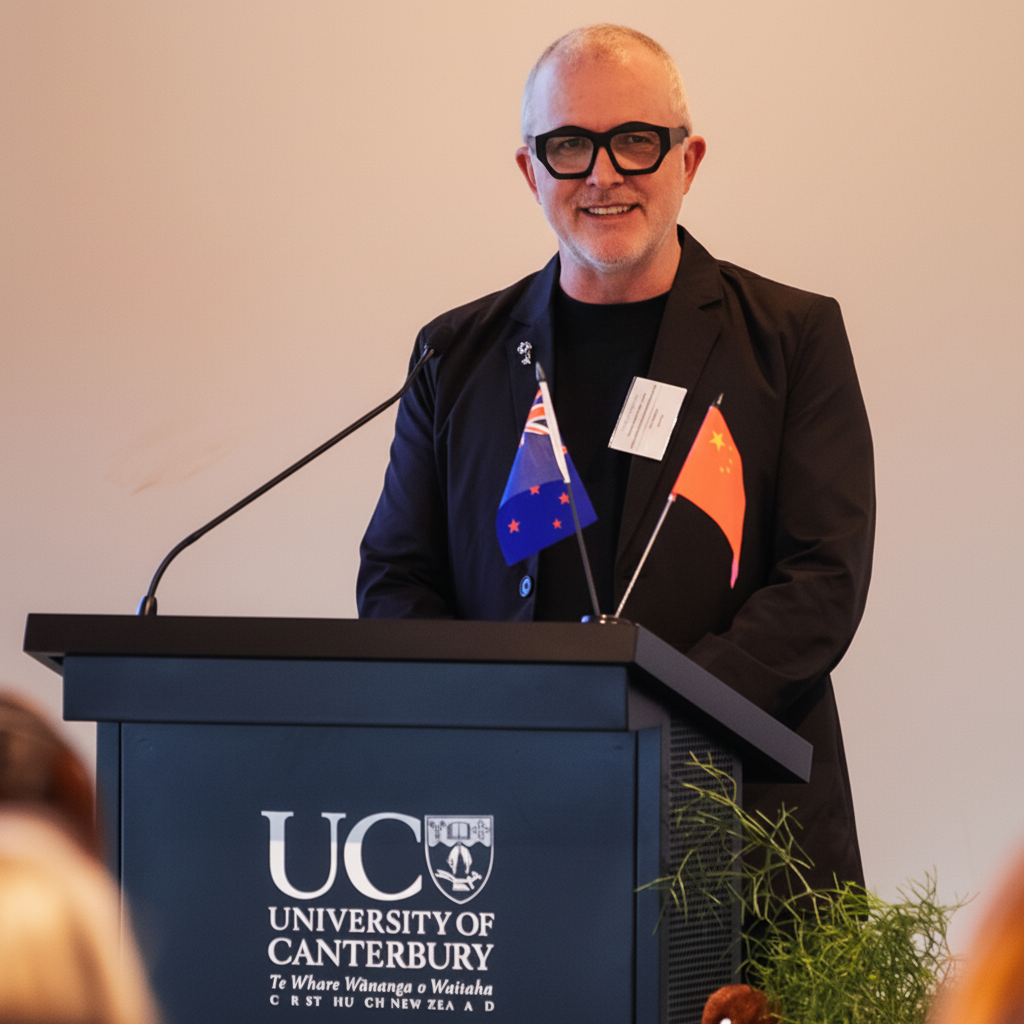
Tim designed the core architecture of Neurofrog — weaving neuroscience, data science, and behavioural science into one framework connecting families, organisations, and governments. His expertise in complex social and digital systems, developed across Asia, UK, and North America, taught him that people don’t experience life in silos — but most systems are built that way, with the best of intentions.
His driving conviction: science and technology are nothing without putting people first. Design for how people actually live, and you can change everyone’s lives.
He builds the infrastructure that makes transformation inevitable, not aspirational.
Wan-Ting bridges the lab and living room by distilling a decade of science translation into everyday conversations. As a mum of two and neuroscience expert, she helps you recognise growth patterns and validates your family dynamics—making the science of connection visible through simple, human, and accessible moments.
Where Tim’s systems meet Bruce’s medical oversight, Wan-Ting’s neuroscience and behavioural expertise translates into moments families recognise themselves.
She is here to see you, support you, and walk beside you.
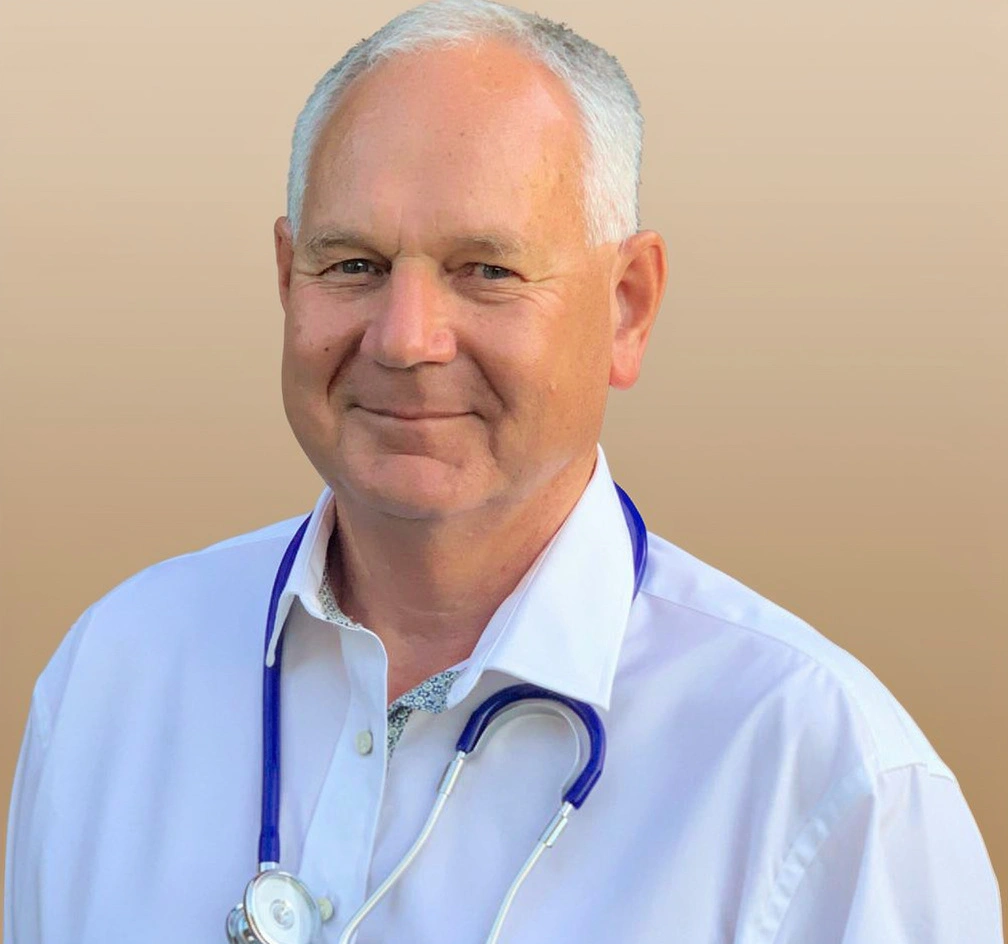
As a senior radiologist who spent 30+ years architecting social health innovation, Bruce experienced healthcare’s fundamental constraint: we diagnose problems brilliantly but prevent them poorly. Early childhood development is where medicine’s impact compounds most—yet lacked systematic infrastructure. His expertise in medical imaging and diagnostic systems revealed that precision matters—tools must preserve the integrity of the science while making it actionable for families.
Bruce architects the medical-grade credibility and systematic medical quality standards that make Neurofrog trusted by families, clinicians, and institutions globally.
1. Research-Informed Parenting
Not generic advice. Grounded in neuroscience, epigenetics, attachment theory, and cross-cultural evidence about how brains develop and families thrive.
2. Systematic Thinking
We connect neurobiology, family dynamics, and social systems. Not band-aids. Not quick-fixes. Sustainable understanding of how the three systems interact.
3. Institutional Partnership
We don’t position parents as isolated heroes. They operate inside schools, communities, and policy systems. We work across all three layers.
4. Continuous Learning
We adapt based on what we learn from the communities we serve. We’re not the experts—we’re the systematic facilitators. We change when the evidence changes.
1. Celebrity Parenting
No “follow me” influencer model. No lifestyle brand. No shortcuts sold as life-changing innovations. We’re not celebrities. We’re scientists and practitioners.
2. Quick-Fix Solutions
No “10 tricks to make your kid smarter.” No hacks that substitute for understanding. Sustainable systems require time, attention, and real change. We won’t promise shortcuts.
3. Blame Frameworks
We don’t tell you you’re failing. We show you how the system works and where your agency actually lies. Guilt doesn’t build neural pathways. Understanding does.
4. One-Size-Fits-All Solutions
Brain development happens in cultural, economic, and social contexts. We adapt our approach based on where you are, not force you into our model. Cultural humility, always.

Many products grow by stretching what science actually says. We don’t. If the data shows “early signal,” we won’t call it “proven.” That restraint has cost us attention in the short term and built credibility in the long term.
The neuroscience is universal: babies’ brains build connections the same way in Auckland and Hanoi. But the systems around them—families, culture, institutions—are different. After early pilots in New Zealand, we knew we could not simply lift‑and‑shift the model. Vietnam proved us right. Listening there taught us more than any textbook. We start from what the science says about the brain. Then we assume we don’t know how it will look in daily life until communities show us.
We're ambitious about what's possible. We're humble about what we know. We build to scale - but we scale through deep partnerships, not viral growth. That means moving slower in year one and two. It means we survive and thrive for decades.
Real scale requires foundation first. We're building the foundation.
We choose integrity over speed. We share both wins and limitations, and if research ever contradicts our approach, you hear it from us first.
We aim to grow ambitiously but responsibly, ensuring each product is supported by a strong research base before it reaches families.
The people behind Neurofrog stay directly accessible for hard questions, and we treat every community as a teacher, adapting our model when local realities prove our assumptions wrong.
In a world of big promises and fast cycles, we’re deliberately taking the slower, harder road – because that’s the only way to build something you can trust with your child’s development.